
Advantages and Disadvantages of Different Rotary Joint Configurations

Rotary joints play a critical role in various industries where the efficient transfer of fluid or gasses is required while allowing rotational movement. The configuration of a rotary joint refers to its design, construction, and features, which determine its performance characteristics. It is essential to comprehend the importance of rotary joint configurations to ensure optimal functionality and meet specific application requirements.
Key points to consider include:
- Design flexibility: Different rotary joint configurations offer varying degrees of design flexibility, allowing engineers to customize solutions based on specific system needs.
- Fluid compatibility: The choice of rotary joint configuration is crucial for ensuring compatibility with the fluids or gasses being transferred. Different configurations may have different sealing mechanisms suitable for specific applications.
- Pressure and temperature requirements: Rotary joint configurations must be selected based on the pressure and temperature conditions of the application to maintain safe and efficient operation.
- Load-bearing capacity: Depending on the application, certain rotary joint configurations may provide higher load-bearing capacity, ensuring reliable performance under demanding conditions.
- Maintenance and servicing: The configuration of a rotary joint can influence accessibility for maintenance, repairs, and replacement of components, impacting the overall downtime and maintenance costs.
Understanding the importance of rotary joint configurations enables engineers and system designers to make informed decisions, selecting the most suitable configuration that meets the specific needs of their application. By considering factors such as design flexibility, fluid compatibility, pressure and temperature requirements, load-bearing capacity, and maintenance considerations, the optimal rotary joint configuration can be chosen to ensure efficient and reliable operation of the system.
Exploring the Role of Design in Rotary Joint Performance
The design of a rotary joint plays a crucial role in determining its overall performance and functionality. A well-thought-out design ensures optimal fluid or media transfer, reduced leakage, increased durability, and improved efficiency. Here are some key aspects to consider when exploring the role of design in rotary joint performance:
- Sealing Mechanism: The design should incorporate an effective sealing mechanism to prevent leaks and maintain a reliable seal throughout the rotary joint’s lifespan.
- Bearings and Lubrication: Proper bearing selection and lubrication are essential to minimize friction, reduce wear and tear, and enhance smooth rotational movement.
- Materials Selection: Choosing suitable materials with appropriate corrosion resistance, temperature tolerance, and mechanical strength is critical for long-lasting performance.
- Flow Characteristics: The design should ensure optimized flow paths, minimal pressure drops, and adequate passage sizes to facilitate efficient media transfer.
- Structural Integrity: A robust design that considers factors such as structural stability, vibration resistance, and shock absorption helps maintain the rotary joint’s integrity under various operating conditions.
By carefully considering these design aspects and implementing them effectively, the performance of a rotary joint can be greatly enhanced, leading to improved reliability and longevity in applications where rotary joints are utilized.
Examining the Advantages of Single Passage Rotary Joints
Single passage rotary joints are an essential component in many fluid transfer systems, offering several advantages over their multi-passage counterparts. These rotary joints are designed to allow the transfer of fluids or gases from a stationary pipe to a rotating component, such as a drum or cylinder. Here are some key advantages associated with single passage rotary joints:
- Simplicity: Single passage rotary joints have a straightforward design, consisting of a single channel for fluid or gas transfer. This simplicity makes them easier to install, maintain, and troubleshoot compared to more complex multi-passage joints.
- Cost-Effectiveness: Due to their simpler design, single passage rotary joints are often more affordable compared to multi-passage options. This makes them a cost-effective solution for applications where multiple fluid transfers are not required.
- Compactness: Single passage rotary joints are typically compact and take up less space in a system. This can be advantageous when there are space constraints or weight limitations.
- Reduced Leakage: With fewer channels and seals, single passage rotary joints tend to have reduced potential for leakage. This enhances overall system efficiency and reduces the risk of fluid loss or contamination.
In summary, single passage rotary joints offer simplicity, cost-effectiveness, compactness, and reduced leakage. These advantages make them a viable choice for various applications where a single fluid transfer is required. Incorporating a single passage rotary joint into a system can enhance its performance and efficiency by ensuring reliable and efficient fluid transfer through a rotating component.
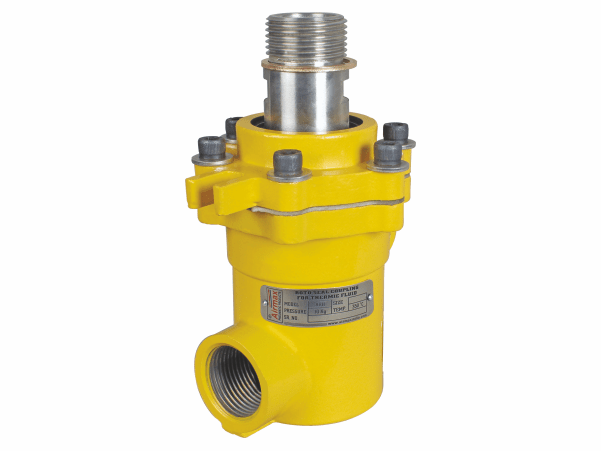
Assessing the Benefits of Multi-Passage Rotary Joints
Multi-passage rotary joints play a crucial role in various industrial applications where the simultaneous transfer of multiple media or signals is required. These innovative rotary joints offer several advantages that make them well-suited for specific tasks and industries. Here are some key benefits to consider:
- Enhanced Efficiency: Multi-passage rotary joints enable the efficient transfer of different media such as fluids, gases, and electrical signals simultaneously, reducing the need for multiple joints and connections. This enhances overall system efficiency and simplifies installation.
- Space Savings: By consolidating multiple passages into a single rotary joint, valuable space is saved in compact applications where size constraints are critical. This helps optimize the overall system design and reduces the complexity of routing multiple lines.
- Improved Reliability: The integration of multiple passages within a single rotary joint eliminates the potential for leakage and reduces the risk of system failure. This enhances the reliability and performance of the rotary joint, leading to improved operational efficiency.
- Cost-effectiveness: Utilizing a multi-passage rotary joint can result in cost savings by reducing the number of joints, fittings, and associated maintenance requirements. Additionally, it simplifies the assembly process and minimizes the chances of component failure.
Multi-passage rotary joints offer significant advantages such as enhanced efficiency, space savings, improved reliability, and cost-effectiveness. These benefits make them a valuable component in various industries that require the simultaneous transfer of multiple media or signals, providing efficient and reliable performance in rotary joint applications.
The Role of Swivel Design in Rotary Joint Functionality
The swivel design plays a crucial role in enhancing the functionality of rotary joints, allowing for smooth and continuous rotation while effectively managing the transfer of fluids, gases, or electrical signals. Here are some key points highlighting the significance of swivel design in rotary joint functionality:
- Enhanced Rotation: The swivel design enables the rotary joint to rotate freely without causing undue stress or interference. It allows for seamless movement, ensuring optimal performance in applications requiring continuous rotation.
- Reduced Friction: Swivel mechanisms incorporated into rotary joints help minimize friction between rotating components, thereby reducing wear and extending the lifespan of the joint. This promotes smooth operation and prevents damage or failure.
- Improved Flexibility: A well-designed swivel allows for flexibility in routing hoses, cables, or other connections. It enables the rotary joint to accommodate different angles and positions, adapting to the specific requirements of the application.
- Sealing Integrity: Swivel design contributes to maintaining a reliable seal between the rotating and stationary parts of the rotary joint. This ensures the efficient transfer of fluids or signals while preventing leaks or contamination.
- Customization Options: Different swivel designs are available to suit specific application needs, such as single-axis or multi-axis rotation, high-speed rotation, or high-pressure applications.
The swivel design in rotary joints plays a vital role in enabling smooth rotation, reducing friction, enhancing flexibility, maintaining sealing integrity, and offering customization options. These factors collectively contribute to the overall functionality and performance of rotary joints in various industries and applications.
Understanding the Impact of Rotary Joint Materials on Performance
The choice of materials used in rotary joints plays a crucial role in determining their overall performance and reliability. The selection of appropriate materials depends on various factors, including the application requirements, environmental conditions, and the specific demands of the rotary joint. Here are some key points to understand the impact of rotary joint materials on performance:
- Material Compatibility: Different fluids or media being transferred through rotary joints require compatible materials to ensure efficient operation and prevent corrosion or contamination.
- Wear Resistance: Rotary joints experience continuous motion, which can cause friction and wear. Materials with high wear resistance, such as hardened steel or ceramic coatings, enhance durability and longevity.
- Temperature and Pressure Resistance: Rotary joints may encounter high temperatures and pressures. Choosing materials capable of withstanding these conditions without deformation or failure is vital for reliable performance.
- Chemical Resistance: Chemicals present in the fluid or surrounding environment can react with rotary joint materials. Selecting chemically resistant materials prevents degradation and maintains performance.
- Sealing Capability: The material used for sealing components, such as O-rings or gaskets, must have excellent sealing properties to prevent leakage and maintain the integrity of the rotary joint.
The selection of suitable materials for rotary joints is critical for optimizing their performance, ensuring longevity, and minimizing maintenance requirements. Proper material selection enhances the efficiency and reliability of rotary joints in various industrial applications.
Analyzing the Advantages and Disadvantages of Axial Rotary Joints
Axial rotary joints are a specific type of rotary joint configuration commonly used in various industrial applications. These joints allow rotational movement along the same axis, offering both advantages and disadvantages depending on the specific requirements of the application. Here, we delve into the key advantages and disadvantages of axial rotary joints:
Advantages:
- Efficient Power Transmission: Axial rotary joints facilitate the seamless transfer of power and torque, ensuring efficient transmission between rotating components.
- Compact Design: These joints have a relatively compact design, making them suitable for applications where space is limited.
- Simplified Installation: Axial rotary joints are often easier to install due to their straightforward alignment requirements.
Disadvantages:
- Limited Range of Motion: Unlike other rotary joint configurations, axial joints restrict movement to a single axis, which may not be suitable for applications requiring multidirectional rotation.
- Higher Stress Concentration: Axial rotary joints can experience higher stress concentration due to the axial loads applied during operation, potentially affecting their durability.
- Overall, the advantages and disadvantages of axial rotary joints highlight the need for careful consideration when selecting the appropriate rotary joint configuration for specific applications.
Evaluating the Pros and Cons of Radial Rotary Joints
Radial rotary joints are a specific configuration commonly used in various industries to enable rotational motion while transferring fluids or gases. When evaluating the pros and cons of radial rotary joints, several factors should be considered. Here is a breakdown of the advantages and disadvantages:
Advantages of Radial Rotary Joints:
- Compact Design: Radial rotary joints are often more compact than other configurations, making them suitable for space-constrained applications.
- Enhanced Durability: They exhibit robust construction, ensuring reliable performance even in demanding environments.
- Efficient Fluid Transfer: Radial joints provide efficient flow rates, minimizing pressure drops and optimizing fluid transfer efficiency.
- Versatile Mounting Options: They can be mounted in various orientations, allowing flexibility in system design and installation.
Disadvantages of Radial Rotary Joints:
- Limited Number of Passages: Radial joints typically have fewer passages compared to other configurations, restricting the number of fluid or gas channels that can be accommodated.
- Potential for Leakage: The radial design may present challenges in achieving complete sealing, leading to potential leakage issues.
- Complex Maintenance: Due to their intricate design, maintenance and repair of radial rotary joints may require specialized expertise.
When considering the role of advantages and disadvantages of radial rotary joints, it is essential to weigh these factors against specific application requirements and system constraints. Proper evaluation ensures the selection of the most suitable rotary joint configuration for optimal performance and functionality.
