
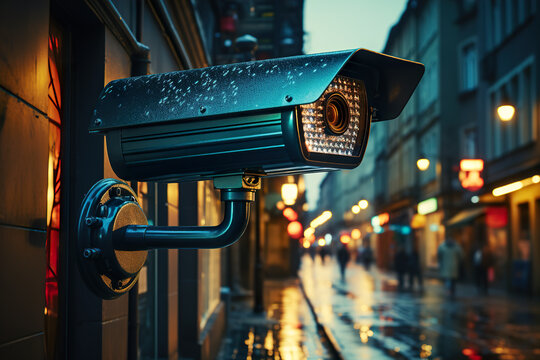
How Smart Cameras Are Learning to Think Like Humans

A Beginner’s Guide to the Rise of Intelligent Vision
Smart cameras are no longer just devices that record what they see. Today, they are evolving into intelligent systems that can understand, analyze, and even make decisions — much like humans do. This shift is transforming how we use cameras in homes, businesses, and public spaces. If you’ve ever wondered how cameras are becoming “smart,” this guide will walk you through the basics in a simple and friendly way.
Let’s explore how these cameras are learning to think like us.
Section 1: What Makes a Camera “Smart”?
Understanding the New Generation of Vision Technology
Traditional cameras capture images and videos, but they don’t understand what they’re seeing. Smart cameras, on the other hand, use artificial intelligence (AI) to interpret visual information.
They can:
- Recognize faces
- Detect objects
- Identify unusual behavior
- Track movement
- Make decisions based on what they see
In other words, smart cameras don’t just watch — they think. And they do it using advanced technologies like machine learning and computer vision.
This shift from passive recording to active understanding is what makes them so powerful.
Section 2: How Smart Cameras Learn
The Technology Behind Human‑Like Thinking
To understand how smart cameras learn to think like humans, let’s break down the key technologies involved.
- Machine Learning
Machine learning allows cameras to learn from data. For example, if a camera sees thousands of images of dogs, it eventually learns what a dog looks like. Over time, it becomes better at recognizing dogs in new images.
- Deep Learning
Deep learning uses neural networks — systems inspired by the human brain. These networks help cameras understand complex patterns, such as facial expressions or body movements.
- Computer Vision
Computer vision gives cameras the ability to “see” and interpret visual information. It helps them identify objects, read license plates, or detect motion.
- Edge Processing
Instead of sending all data to the cloud, many smart cameras process information directly on the device. This makes them faster and more efficient.
Together, these technologies allow cameras to learn, adapt, and make decisions — just like humans do.
Section 3: What Smart Cameras Can Do Today
Real‑World Abilities That Feel Almost Human
Smart cameras are already capable of tasks that once seemed impossible. Here are some of the most impressive abilities they have today.
- Facial Recognition
Cameras can identify people by analyzing their facial features. This is useful for unlocking devices, managing access to buildings, or finding missing persons.
- Emotion Detection
Some advanced systems can detect emotions like happiness, anger, or stress by studying facial expressions.
- Behavior Analysis
Smart cameras can recognize unusual behavior, such as someone loitering, running suddenly, or entering restricted areas.
- Object and Vehicle Detection
They can identify cars, bags, animals, and even specific items like helmets or backpacks.
- Real‑Time Alerts
If something unusual happens, the camera can send instant notifications to your phone or security team.
- Smart Home Integration
Cctv company in Dubai can work with smart home devices to automate tasks. For example, they can turn on lights when someone enters a room.
These abilities show how close smart cameras are getting to human‑like perception.
Section 4: Why Smart Cameras Matter
The Benefits of Human‑Like Vision
Smart cameras offer several advantages that make them valuable in everyday life.
- Better Security
Because they can detect threats instantly, smart cameras improve safety in homes, offices, and public spaces.
- Reduced Human Effort
Instead of watching hours of footage, humans can rely on AI to highlight important moments.
- Faster Decision‑Making
Smart cameras can analyze situations in real time, helping people respond quickly.
- Improved Accuracy
AI reduces false alarms by understanding the difference between real threats and harmless activity.
- Cost Savings
Over time, smart cameras can reduce the need for large security teams or manual monitoring.
- Enhanced Convenience
From smart doorbells to automated lighting, smart cameras make daily life easier.
These benefits explain why smart cameras are becoming more popular around the world.
Section 5: Challenges and Concerns
What We Need to Think About
Even though smart cameras are powerful, they also raise important questions.
- Privacy Issues
When cameras can recognize faces or track behavior, people may feel uncomfortable. Clear rules and responsible use are essential.
- Data Security
Smart cameras store and process sensitive information. If not protected, this data could be misused.
- Bias in AI
AI systems sometimes make mistakes, especially if they are trained on limited or biased data.
- High Initial Cost
Smart cameras can be more expensive than traditional ones, especially for large installations.
- Ethical Concerns
Some worry that smart cameras could lead to excessive surveillance or misuse by organizations.
Understanding these challenges helps us use smart cameras responsibly and ethically.
Section 6: The Future of Smart Cameras
Where Human‑Like Vision Is Heading Next
Smart cameras are still evolving, and the future looks even more exciting.
- Predictive Intelligence
Cameras may soon predict events before they happen by analyzing patterns — similar to how humans sense danger.
- Better Emotion Understanding
Future cameras may read emotions more accurately, helping in areas like healthcare or customer service.
- Smarter Cities
Smart cameras will play a major role in traffic management, public safety, and urban planning.
- More Privacy‑Friendly Designs
New technologies will allow cameras to protect privacy while still providing useful insights.
- Integration with Robots and Drones
Cameras will guide autonomous machines, helping them navigate and interact with the world.
- Personalized Experiences
Smart cameras may tailor experiences based on who they see — from retail stores to smart homes.
As these technologies grow, cameras will continue to learn, adapt, and think more like humans.
Section 7: Should You Use Smart Cameras?
A Simple Guide for Beginners
If you’re thinking about using smart cameras, here are a few questions to help you decide:
- Do you want better security?
- Do you prefer automated alerts instead of manual monitoring?
- Are you comfortable with AI analyzing your footage?
- Do you want a system that improves over time?
If your answer is yes to most of these, smart cameras in Cctv camera Installation in Dubai could be a great choice.
They offer convenience, safety, and intelligence — all in one device.
