
Amazing Fall leaf Cleanup Tips

Fall leaf cleanup is the process of removing fallen leaves from your yard, garden, or outdoor spaces during the autumn season when trees shed their leaves. It typically involves raking, blowing, or vacuuming leaves into piles, then collecting them for disposal, composting, or mulching.
Here are some practical tips for fall leaf cleanup:
- Choose the Right Tools:
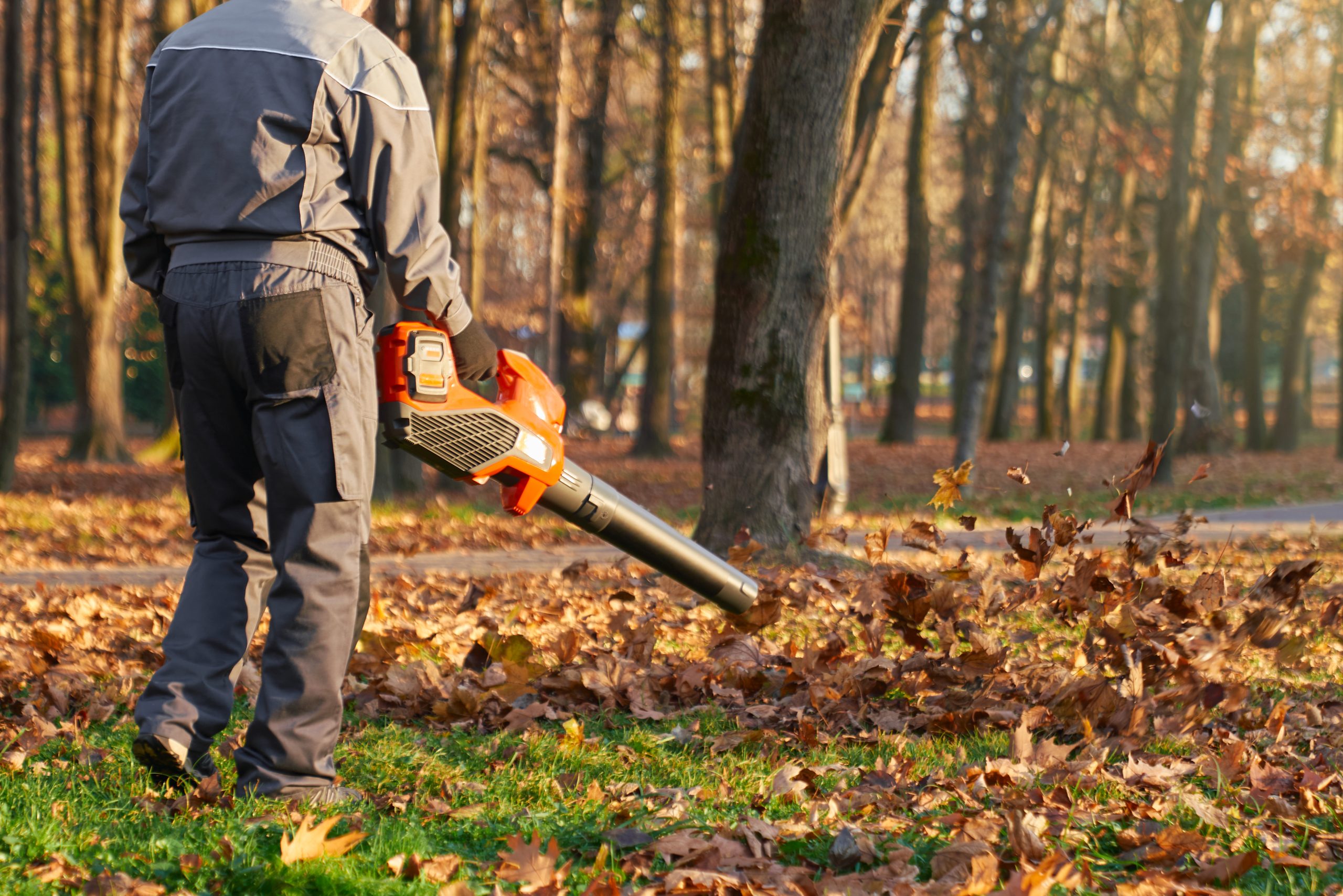
- Use a sturdy rake with flexible tines for gathering leaves. A leaf blower can speed up the process, especially for large yards.
- Invest in a tarp or leaf bag to collect and transport leaves easily.
- Timing is Key:
- Wait for a dry day to rake; wet leaves are heavier and stick together, making cleanup harder.
- Start when most leaves have fallen to minimize repeat efforts, but don’t wait too long to avoid matting or lawn damage.
- Work Smart:
- Rake leaves into small piles and transfer them to a tarp or bags to avoid multiple trips.
- Work in sections, moving in the direction of your collection point or compost pile.
- Use a leaf blower to push leaves into a corner or pile for easier pickup.
- Disposal Options:
- Compost: Add leaves to a compost pile, mixing with grass clippings or other green matter for faster decomposition.
- Mulch: Shred leaves with a mower and leave them on the lawn to enrich the soil, or use them as garden mulch.
- Municipal Pickup: Check local guidelines for bagging leaves or scheduling curbside pickup.
- Protect Your Lawn:
- Clear leaves promptly to prevent mold, smothering, or pest issues under thick layers.
- Aerate your lawn after cleanup to improve soil health.
- Safety Tips:
- Wear gloves to avoid blisters and protect against hidden debris.
- Take breaks to prevent strain, and use proper sitting posture to avoid back pain.
- Repurpose Leaves:
- Save some dry leaves for winter garden insulation or craft projects.
- Create leaf mold by piling leaves in a bin to break down into nutrient-rich soil over time.
- Clean Gutters:
- Clear leaves from gutters to prevent clogs and water damage. Use a ladder safely or hire a professional.
Benefits of Fall Leaf Cleanup
Fall leaf cleanup offers several benefits for your lawn, garden, and property:
- Promotes Lawn Health: Removing leaves prevents them from matting and blocking sunlight, air, and water, which can smother grass and cause patchy or dead spots.
- Prevents Mold and Disease: Wet leaves can harbor mold, fungi, and bacteria, which may spread to your lawn or plants. Cleanup reduces these risks.
- Deters Pests: Leaf piles attract insects, rodents, and other pests that can overwinter and damage your yard. Clearing leaves disrupts their habitat.
- Improves Curb Appeal: A tidy, leaf-free yard enhances your property’s appearance and creates a welcoming outdoor space.
- Protects Plants: Clearing leaves from garden beds prevents rot and suffocation of perennials, shrubs, and young plants.
- Prevents Drainage Issues: Leaves in gutters or storm drains can cause clogs, leading to water damage or flooding. Cleanup keeps water flowing properly.
- Reduces Safety Hazards: Wet leaves on walkways or driveways can be slippery, increasing the risk of falls. Removing them improves safety.
- Supports Soil Enrichment: Shredded leaves can be used as mulch or compost, adding nutrients to your soil for healthier plants in spring.
- Prepares for Winter: A clean yard is easier to maintain during winter and sets the stage for a quicker spring recovery.
- Saves Time and Money: Regular cleanup prevents bigger issues like lawn repair or gutter damage, reducing future maintenance costs.
Conclusion:
The goal is to keep lawns and gardens healthy, prevent pest or mold issues, and maintain a tidy appearance. It also includes clearing leaves from gutters and walkways to avoid clogs or slipping hazards. Fall leaf cleanup, Florence, AL, is usually done in late fall when most leaves have dropped, often requiring tools like rakes, leaf blowers, or tarps.
