
Ecommerce, Electronics, Technology
Why Are Thermocouples and Temperature Probes Essential in Precision Sensing?

Accurate temperature measurement is the backbone of efficient operations across various industries, including manufacturing, healthcare, aerospace, and food processing. Among the many sensing tools available today, thermocouples and temperature probes stand out due to their versatility, durability, and responsiveness.
What Is a Thermocouple and How Does It Function?
A thermocouple is a temperature sensor constructed by joining two dissimilar metal wires at one end. When the junction is heated or cooled, a voltage is created that can be correlated to temperature.
- Operates on the thermoelectric principle or Seebeck effect
- Converts thermal energy into electrical voltage
- Requires a reference temperature to interpret readings accurately
- Designed to withstand extreme temperatures, from cryogenic levels to over 2000°C, depending on the type
What Makes Temperature Probes Different?
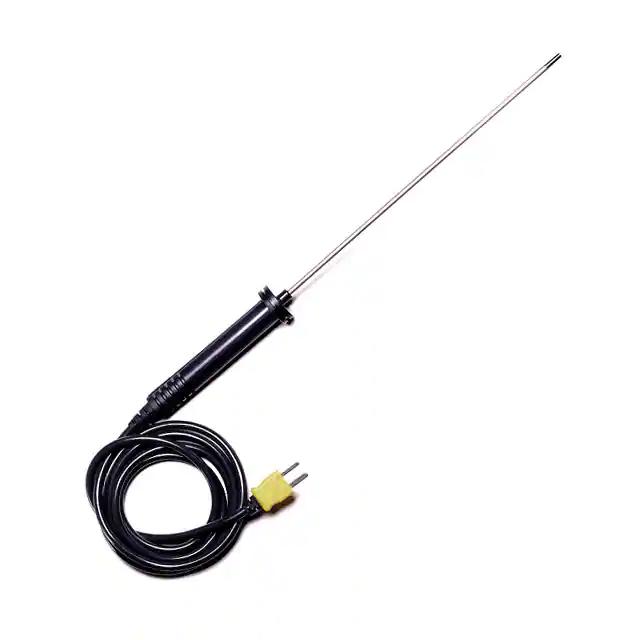
Temperature probes are general-purpose temperature-sensing assemblies that may include thermocouples, RTDs (Resistance Temperature Detectors), or thermistors encased in protective housings. They are designed to withstand harsh environments and deliver reliable readings.
- Serve as encapsulated temperature sensors for targeted or surface-level measurements
- Can be inserted directly into liquids, solids, or gases
- Ideal for industrial process monitoring, food-grade applications, and HVAC systems
- Common types include thermocouple probes, RTD probes, and penetration probes
How Are Thermocouples Classified?
There are several types of thermocouples, each suited for specific temperature ranges and environments. These types are standardised and widely used in various technical fields.
- Type K (Chromel–Alumel): Popular and cost-effective; suitable for general applications up to 1,260°C
- Type T (Copper–Constantan): Known for its low-temperature accuracy, ideal for refrigeration
- Type J (Iron–Constantan): Suitable for oxidising environments and offers a moderate temperature range
- Type N (Nicrosil–Nisil): Resistant to oxidation and offers higher accuracy over Type K
- Type S/R/B (Platinum-based): Used in high-temperature labs and furnaces for precise measurements
Why Use Thermocouples and Probes in Industrial Applications?
Thermocouples and probes are built to deliver reliable data in demanding settings, where conventional sensors may fail. Their ability to withstand thermal shocks and mechanical stress makes them ideal for rugged environments.
- Widely used in metallurgy, petrochemical plants, and power stations
- Enable real-time monitoring in automated control systems
- Provide consistent results in environments with vibration, humidity, or corrosive gases
- Help optimise safety, efficiency, and equipment longevity
Where Are These Sensors Commonly Used?
Temperature probes and thermocouples are embedded in a wide range of systems and instruments, demonstrating their versatility.
- Aerospace engines for monitoring jet turbine temperatures
- Medical devices for sterilisation and patient monitoring
- Food processing plants to meet regulatory temperature standards
- Automotive testing for exhaust and cooling systems
- Laboratories and research setups for high-precision data acquisition
What Are the Key Differences Between Thermocouples and RTDs?
Understanding the pros and cons of different sensor types helps in selecting the right tool for a specific application.
-
Thermocouples
-
Better for high-temperature environments
-
Faster response but less accurate at low temperatures
-
More affordable and robust
-
-
RTDs (Resistance Temperature Detectors)
-
Offer high accuracy and stability over time.
-
More suitable for low to mid-temperature ranges
-
Typically more expensive and fragile
-
How to Select the Ideal Temperature Probe?
Choosing the correct sensor for your needs depends on several technical and environmental factors.
- Temperature range: Match the probe’s capabilities with your process needs
- Sensor type: Thermocouple, RTD, or thermistor based on required sensitivity
- Material compatibility: Use protective sheaths like stainless steel or Inconel for corrosive atmospheres
- Installation environment: Evaluate space limitations, exposure to chemicals, and vibration
- Signal requirements: Choose output types compatible with your monitoring system (voltage, resistance, digital)
What Are the Main Benefits of Using Thermocouples and Probes?
With numerous options for temperature sensing available today, thermocouples and probes continue to hold a dominant position in industrial and commercial settings due to their distinct advantages.
- Extremely wide temperature range for diverse applications
- Fast response time ensures accurate real-time feedback
- Minimal maintenance required over long operational lifespans
- Easy integration into existing control and monitoring systems
- Available in custom configurations for specific requirements
How to Maintain Thermocouples and Temperature Probes?
Regular maintenance is essential for accurate performance and sensor longevity.
- Periodic calibration ensures consistent accuracy
- Inspect for corrosion, insulation breakdown, or mechanical damage
- Avoid excessive wire bending or pulling to prevent signal drift
- Use protective coatings or housings in harsh chemical environments
- Log usage and exposure hours to determine ideal replacement intervals
What Challenges Should You Consider?
While incredibly useful, these sensors also come with limitations that must be addressed during system design.
- Signal interference from electromagnetic fields may affect thermocouples
- Degradation over time in extreme heat or corrosive media
- Reference temperature errors can impact thermocouple accuracy
- Slower response times in probes with thick sheaths or protective layers
Final Thoughts: Why Invest in Quality Temperature Sensing?
Thermocouples and temperature probes are not just basic tools—they’re precision instruments that provide critical data for safety, compliance, and performance. By selecting the right sensor and maintaining it properly, you can significantly enhance your system’s reliability and performance.
With the rapid evolution of smart manufacturing and real-time analytics, the demand for dependable, high-quality temperature sensing is only set to rise. Whether you’re designing new machinery, enhancing laboratory capabilities, or automating industrial workflows, temperature probes and thermocouples will remain indispensable for years to come.
