
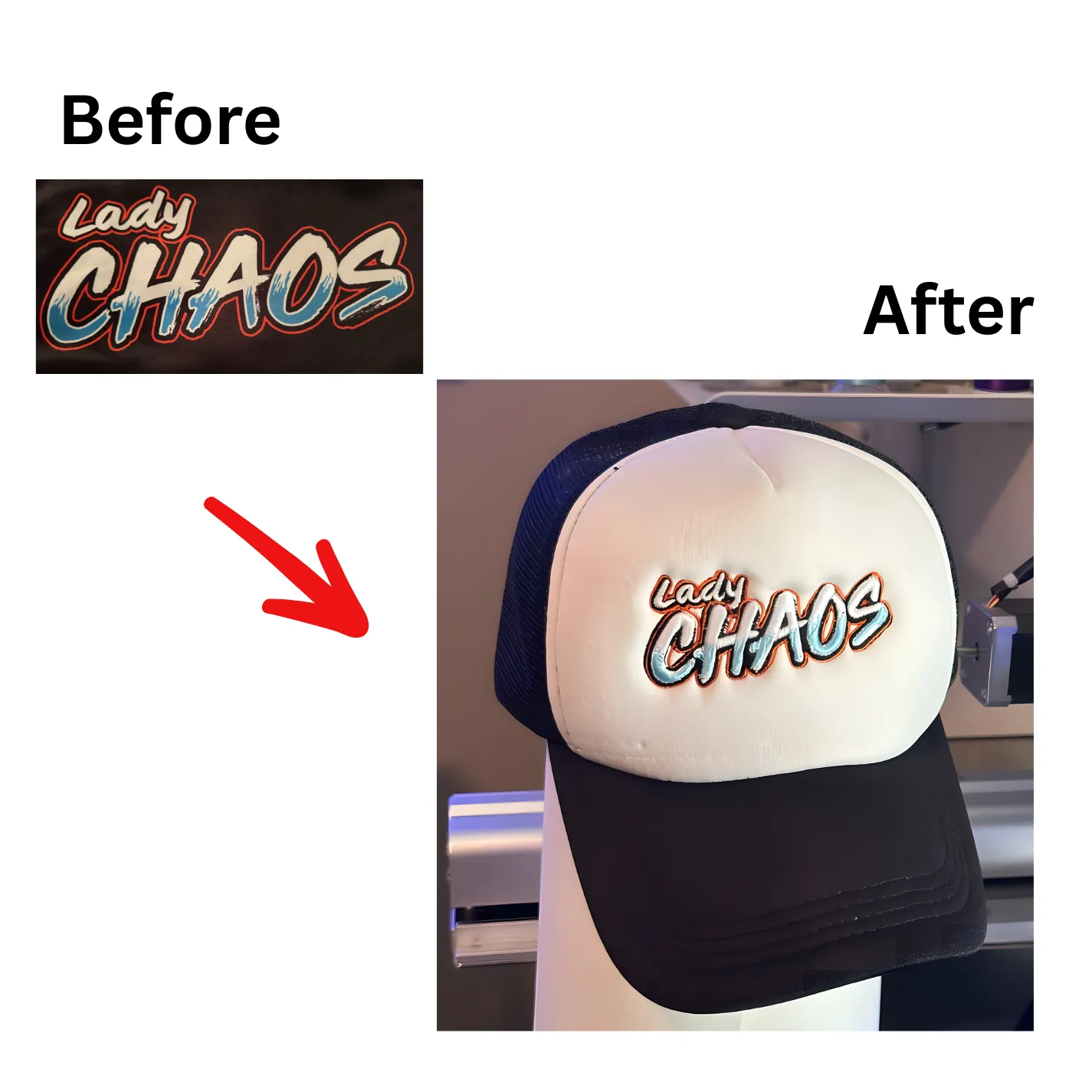
Embroidery Digitizers for 3D Puff Designs

Embroidery digitizers are experts who convert artwork, logos, or patterns into digital stitch files (e.g., DST, PES) that embroidery machines use to create striking designs on fabrics. Among the most eye-catching techniques is 3D puff embroidery, which adds a raised, dimensional effect to designs, making them stand out on items like caps, jackets, or sports apparel. Services like ZDigitizing specialize in crafting precise stitch files for 3D puff designs, ensuring professional results on challenging surfaces. This comprehensive blog explores how embroidery digitizers handle 3D puff designs, detailing their techniques, benefits, and applications. A concise FAQ section at the end addresses common questions to guide users in achieving bold, high-quality 3D puff embroidery.
What Are 3D Puff Designs?
3D puff embroidery uses foam underlay beneath stitches to create a raised, three-dimensional effect, giving logos or patterns a bold, tactile appearance. Commonly used on hats, sports jerseys, or promotional items, this technique enhances visual impact but requires specialized digitizing to manage foam placement, stitch density, and fabric compatibility. Professional embroidery digitizers ensure these designs are durable, clean, and visually appealing, making them ideal for branding, fashion, and sports applications.
How Digitizers Handle 3D Puff Designs
Creating 3D puff designs demands precision and expertise. Here’s how professional digitizers manage this complex technique:
1. Optimizing Foam Placement
The foam underlay is critical for achieving the raised effect in 3D puff embroidery.
-
Foam Selection: Digitizers specify the appropriate foam thickness (e.g., 1mm or 2mm) based on design size and desired height.
-
Precise Underlay Stitches: Create a foundation of underlay stitches to secure foam and prevent shifting during embroidery.
-
Boundary Definition: Use satin stitches to encase foam, ensuring clean edges and a defined 3D effect.
Impact: Proper foam placement ensures a bold, professional 3D appearance without compromising stitch quality.
2. Simplifying Designs for 3D Puff
Complex designs must be streamlined to suit the 3D puff technique.
-
Bold Elements: Focus on larger, simpler shapes like logos or text, as intricate details may not elevate well with foam.
-
Minimum Size Recommendations: Suggest designs at least 0.25 inches tall to ensure the 3D effect is visible and stable.
-
Stitch Type Selection: Use wide satin stitches for raised areas to cover foam effectively, avoiding overcrowding.
Impact: Simplified designs maximize the visual impact of 3D puff while maintaining clarity.
3. Managing Fabric and Machine Compatibility
3D puff designs require careful optimization for fabrics and machines.
-
Structured Fabrics: Tailor files for materials like twill, canvas, or heavy cotton, commonly used in caps or jackets, to support foam weight.
-
Machine Settings: Adjust files for cap frames or multi-head machines, ensuring compatibility with brands like Brother or Tajima.
-
Stitch Density: Increase density for 3D puff areas to secure foam, while balancing to avoid puckering on dense fabrics.
Impact: Optimized files ensure durable, high-quality 3D puff embroidery on challenging surfaces.
4. Using Digital Previews for Refinement
Digital previews are essential for perfecting 3D puff designs.
-
Realistic Simulations: Show how raised designs will look on fabrics, highlighting foam height and stitch coverage.
-
Unlimited Revisions: Allow adjustments to stitch patterns, foam placement, or colors to perfect the 3D effect.
-
Error Prevention: Identify issues like foam exposure or misalignment before stitching.
Impact: Previews ensure 3D puff designs meet expectations, reducing production errors.
5. Balancing Durability and Aesthetics
3D puff designs must withstand wear while maintaining their bold look.
-
Secure Stitching: Use dense satin stitches and underlay to anchor foam, preventing tearing or flattening over time.
-
Thread Selection: Choose high-quality threads to maintain color vibrancy and durability on items like sports apparel.
-
Test Runs: Recommend testing on scrap fabric to confirm foam stability and design clarity.
Impact: Durable 3D puff designs ensure long-lasting brand or aesthetic impact.
Benefits of Digitizing for 3D Puff Designs
Professional digitizing for 3D puff embroidery offers significant advantages:
-
Bold Visual Appeal: Raised designs create a premium, standout effect for branding or fashion.
-
Time Efficiency: Files delivered within 2-12 hours support tight production schedules.
-
Cost-Effectiveness: Rates starting at $15-$30 per design eliminate software costs ($1,000-$5,000).
-
Eco-Friendly: Optimized files reduce thread and foam waste, aligning with sustainable practices.
-
Accessibility: User-friendly platforms and 24/7 support make 3D puff digitizing approachable for all.
These benefits make 3D puff embroidery ideal for high-impact projects.
The Digitizing Process for 3D Puff Designs
The process of working with a digitizer for 3D puff designs is streamlined:
-
Select Artwork: Choose a high-resolution design (e.g., JPG, PNG, AI) with bold, simple elements suitable for 3D puff.
-
Choose a Provider: Select a service with expertise in 3D puff digitizing, like ZDigitizing.
-
Upload Artwork: Use a secure portal to upload your design via drag-and-drop.
-
Specify Details: Indicate size, placement (e.g., cap front, jacket chest), fabric type (e.g., twill, cotton), and file format (e.g., DST, PES).
-
Review Digital Preview: Receive a virtual simulation, with unlimited revisions to refine the 3D effect.
-
Download File: Get the finalized file within 2-12 hours, optimized for your embroidery machine.
-
Test and Stitch: Test on scrap fabric with foam to confirm quality, with 24/7 support for adjustments.
This process ensures professional 3D puff results.
Applications for 3D Puff Designs
3D puff digitizing supports a range of high-impact projects:
-
Sports Merchandise: Embroider bold team logos or player names on baseball caps or jerseys for fan gear.
-
Corporate Branding: Add raised logos to caps or jackets for promotional giveaways or uniforms.
-
Fashion Accessories: Create eye-catching designs on streetwear caps or denim jackets for boutique collections.
-
Promotional Products: Produce logoed hats or bags with 3D puff for trade shows or marketing campaigns.
ZDigitizing’s expertise ensures these applications achieve stunning results.
Overcoming Challenges with 3D Puff Designs
Professional digitizers address key challenges:
-
Foam Exposure: Improper stitching can leave foam visible or cause tearing.
-
Solution: Use wide satin stitches and underlay to fully cover and secure foam.
-
-
Complex Designs: Intricate details don’t suit 3D puff.
-
Solution: Simplify artwork with bold elements, using previews for approval.
-
-
Fabric Limitations: Thin or stretchy fabrics may not support foam.
-
Solution: Optimize files for structured fabrics like twill or canvas.
-
These solutions ensure successful 3D puff embroidery.
Technologies Powering 3D Puff Digitizing
Advanced tools drive the quality of 3D puff designs:
-
AI Optimization: Automates stitch mapping and foam placement for precise, error-free files.
-
Cloud Platforms: Enable secure uploads, real-time previews, and delivery, accessible on mobile or desktop.
-
Specialized Software: Industry-standard tools tailor files for 3D puff and specific fabrics or machines.
These technologies ensure efficiency and precision.
Future Trends in 3D Puff Digitizing
Emerging technologies will enhance 3D puff embroidery:
-
Augmented Reality (AR): Preview raised designs on virtual items like caps for accurate placement.
-
AI-Driven Optimization: Suggest foam thickness or stitch adjustments for optimal 3D effects.
-
IoT Integration: Connect with smart machines for real-time stitching adjustments, improving production efficiency.
These innovations will make 3D puff digitizing even more impactful.
Conclusion
Embroidery digitizers for 3D puff designs create bold, professional embroidery that elevates sports merchandise, corporate branding, fashion, and promotional products. By optimizing foam placement, simplifying designs, and ensuring fabric compatibility, services like ZDigitizing deliver durable, high-quality results. With AI, cloud platforms, and specialized software driving efficiency, 3D puff digitizing meets modern demands. As AR, AI, and IoT technologies evolve, this technique will continue to transform how brands and designers create standout, dimensional embroidery.
FAQs About Embroidery Digitizers for 3D Puff Designs
What are 3D puff designs in embroidery?
They use foam underlay to create raised, three-dimensional effects for bold logos or patterns.
How do digitizers ensure quality 3D puff designs?
They optimize foam placement, use wide satin stitches, and tailor files for structured fabrics.
What fabrics work best for 3D puff embroidery?
Structured materials like twill, canvas, or heavy cotton, used in caps or jackets.
Can complex designs be used for 3D puff?
Simplified, bold designs work best; intricate details are streamlined for clarity.
How fast are 3D puff files delivered?
Files are delivered within 2-12 hours, with rush options for urgent projects.
Is 3D puff digitizing cost-effective?
Yes, with rates starting at $15-$30 per design and no software costs.
What projects benefit from 3D puff digitizing?
Sports merchandise, corporate branding, fashion accessories, and promotional products.
How do digital previews help with 3D puff?
They show the raised effect and stitch coverage, allowing revisions for perfection.
What technologies support 3D puff digitizing?
AI, cloud platforms, and specialized software ensure precision and efficiency.
What’s the future of 3D puff digitizing?
AR previews, AI optimization, and IoT integration will enhance accuracy and creativity.
