
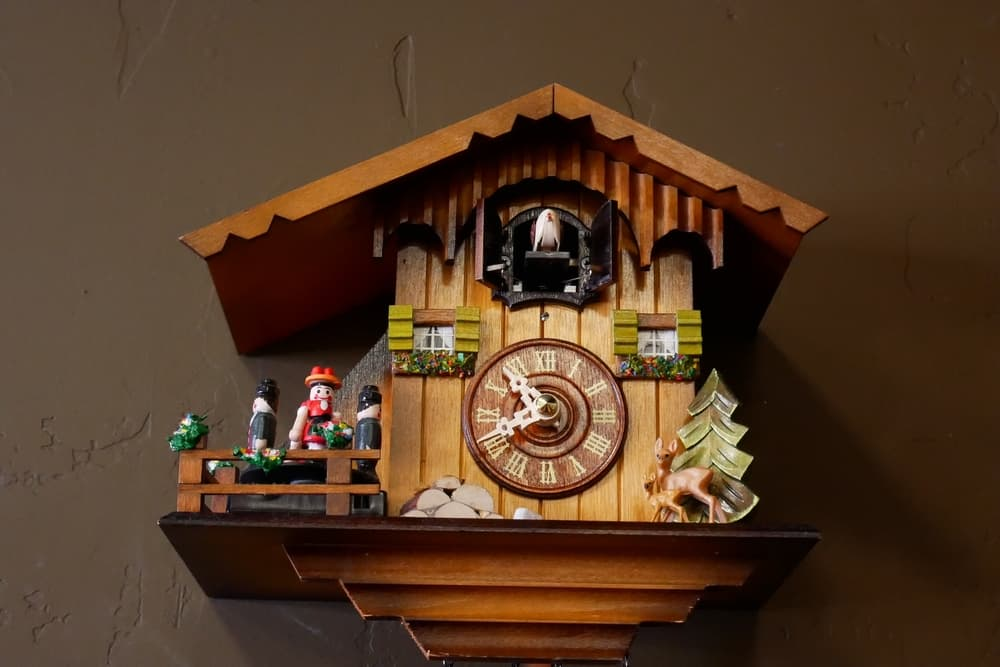
The Art & History of the German Cuckoo Clock

Timekeeping has always fascinated humanity, but few clocks have captured the world’s imagination like the German cuckoo clock. With its charming bird calls, intricate carvings, and timeless design, it is more than just a functional household item; it is a symbol of cultural heritage and artistic mastery. This blog explores the origins, evolution, and enduring appeal of these remarkable timepieces.
– Origins in the Black Forest
The story of the cuckoo clock begins in the Black Forest region of Germany in the early 18th century. This mountainous area was known for its dense woodlands and skilled woodcarvers, who originally crafted everyday items such as tools, toys, and wooden boxes. Over time, some artisans applied their skills to clockmaking.
The first cuckoo clocks were simple yet distinctive. Wooden gears and weights powered their mechanisms, while a small wooden bird emerged at the top of each hour, calling “cuckoo” to mark the passage of time. Unlike other clocks of the era, these pieces combined functionality with storytelling, transforming timekeeping into an engaging experience rather than a mere necessity.
– The Evolution of Style
As centuries passed, the cuckoo clock evolved into a variety of distinctive styles, reflecting the artistic traditions of the Black Forest region.
Carved Style Clocks: These features include hand-carved motifs such as birds, oak leaves, and deer. Their detailed craftsmanship makes them instantly recognisable and deeply traditional.
Chalet Style Clocks: Inspired by Alpine village life, chalet designs showcase miniature houses, farmers, animals, and even dancing couples. Many include moving figures and music, creating a sense of playful storytelling.
Modern Interpretations: In recent decades, some designers have reimagined the classic cuckoo clock with minimalist or contemporary aesthetics. These pieces retain the cuckoo call but feature sleek lines, bright colours, and modern materials.
Despite their variety, all share a connection to their Black Forest roots and the traditions that shaped them.
– Craftsmanship and Tradition
The true distinction of a German cuckoo clock lies in the meticulous craftsmanship that goes into its creation. Each authentic piece can take weeks or even months to complete.
- Carving the Case: Using linden or other hardwoods, artisans hand-carve intricate patterns. Traditional motifs often depict elements of nature, reflecting the Black Forest landscape.
- Constructing the Movement: The internal mechanism consists of gears, bellows, and weights. Many clocks still use mechanical movements powered by chains and pinecone-shaped weights.
- Creating the Cuckoo Call: The iconic sound is produced by two small wooden pipes, each with a bellows that pushes air to mimic the “cu” and “koo” sounds.
- Assembly and Testing: After construction, each clock undergoes testing for precision and durability before being released.
This fusion of artistry and precise mechanics makes each cuckoo clock both visually striking and dependable.
– Symbolism and Folklore
Beyond their mechanical beauty, these clocks are rich in symbolism. In traditional German folklore, the cuckoo bird is often regarded as a harbinger of good luck. Hearing the bird’s call was believed to bring fortune, wealth, or good news.
These clocks were treasured as family heirlooms, often handed down through the generations as symbols of tradition and continuity. Owning one became a symbol of heritage and continuity, connecting modern households to centuries-old traditions.
– The Rise of Global Popularity
In the 19th and 20th centuries, German clockmakers began exporting cuckoo clocks worldwide. Tourists visiting Europe brought them home as souvenirs, while international collectors prized them for their craftsmanship. By the mid-20th century, cuckoo clocks had become cherished household treasures in many countries, admired for both their aesthetic appeal and nostalgic value.
Even today, workshops in the Black Forest remain dedicated to preserving traditional techniques. Some small family businesses have been crafting clocks for over 200 years, ensuring that this legacy continues.
– Why They Still Matter Today
In an era dominated by smartphones, digital watches, and smart home devices, one might assume that the cuckoo clock would fade into obscurity. Instead, it continues to thrive. Why is that?
- Art and Décor:A handcrafted clock is more than just a timekeeper; it is a piece of art that adds warmth and character to any room.
- Connection to Tradition: Owning one connects you to centuries of European history and craftsmanship.
- Mindful Living: The gentle call of the cuckoo each hour serves as a reminder to pause, breathe, and appreciate the present moment.
- Collectibility: Many enthusiasts consider these clocks valuable collectibles, often investing in pieces with rare designs or antique status.
The continued popularity of these clocks, despite advances in modern technology, proves their emotional and cultural significance.
– Caring for Your Cuckoo Clock
Proper care ensures that these treasured timepieces last for generations. Here are a few timeless tips:
- Keep the clock in a stable environment, avoiding direct sunlight and excessive humidity.
- Wind the weights regularly, depending on whether the clock is an eight-day or one-day model.
- Gently dust the carvings using a soft brush.
- Have the mechanism serviced by a professional every few years to ensure accuracy.
With consistent care, a cuckoo clock can become a cherished family heirloom, continuing to bring joy for decades.
– Final Thoughts
The German cuckoo clock is a perfect example of how functional objects can transcend mere utility to become art, culture, and heritage. Originating in the Black Forest, it has evolved into a global symbol of craftsmanship, embodying the beauty of tradition in a fast-paced world.
Owning one is not just about keeping time; it is about preserving history, celebrating artistry, and adding a touch of joy to everyday life. With each hour marked by the call of the cuckoo, we are reminded that some traditions are truly timeless.
