
The Power of LED Lighting: Efficiency, Innovation, and Sustainability

Lighting plays a critical role in our daily lives, from illuminating our homes to powering large-scale industrial operations. In recent years, LED lighting has emerged as the go-to solution for energy efficiency, long lifespan, and eco-friendly performance. Whether in residential, commercial, or industrial applications, LED technology has transformed the way we think about illumination.
What is LED Lighting?
LED stands for Light Emitting Diode, a semiconductor device that emits light when an electric current passes through it. Unlike traditional incandescent bulbs that rely on heating a filament or fluorescent lamps that use gas, LEDs produce light through electroluminescence, making them more energy-efficient and durable.
Advantages of LED Lighting
1. Energy Efficiency
One of the main benefits of LED lighting is its energy efficiency. LEDs use up to 75% less energy than incandescent bulbs, reducing both electricity bills and overall energy consumption.
2. Long Lifespan
LEDs are built to last. While traditional bulbs may last around 1,000 hours, LEDs can operate for 25,000 to 50,000 hours, depending on the usage and design. This durability reduces replacement costs and maintenance.
3. Eco-Friendly Option
LEDs contain no mercury or harmful gases, unlike fluorescent lights. Additionally, their reduced energy consumption helps lower carbon emissions, contributing to sustainability and environmental protection.
4. Versatility in Design
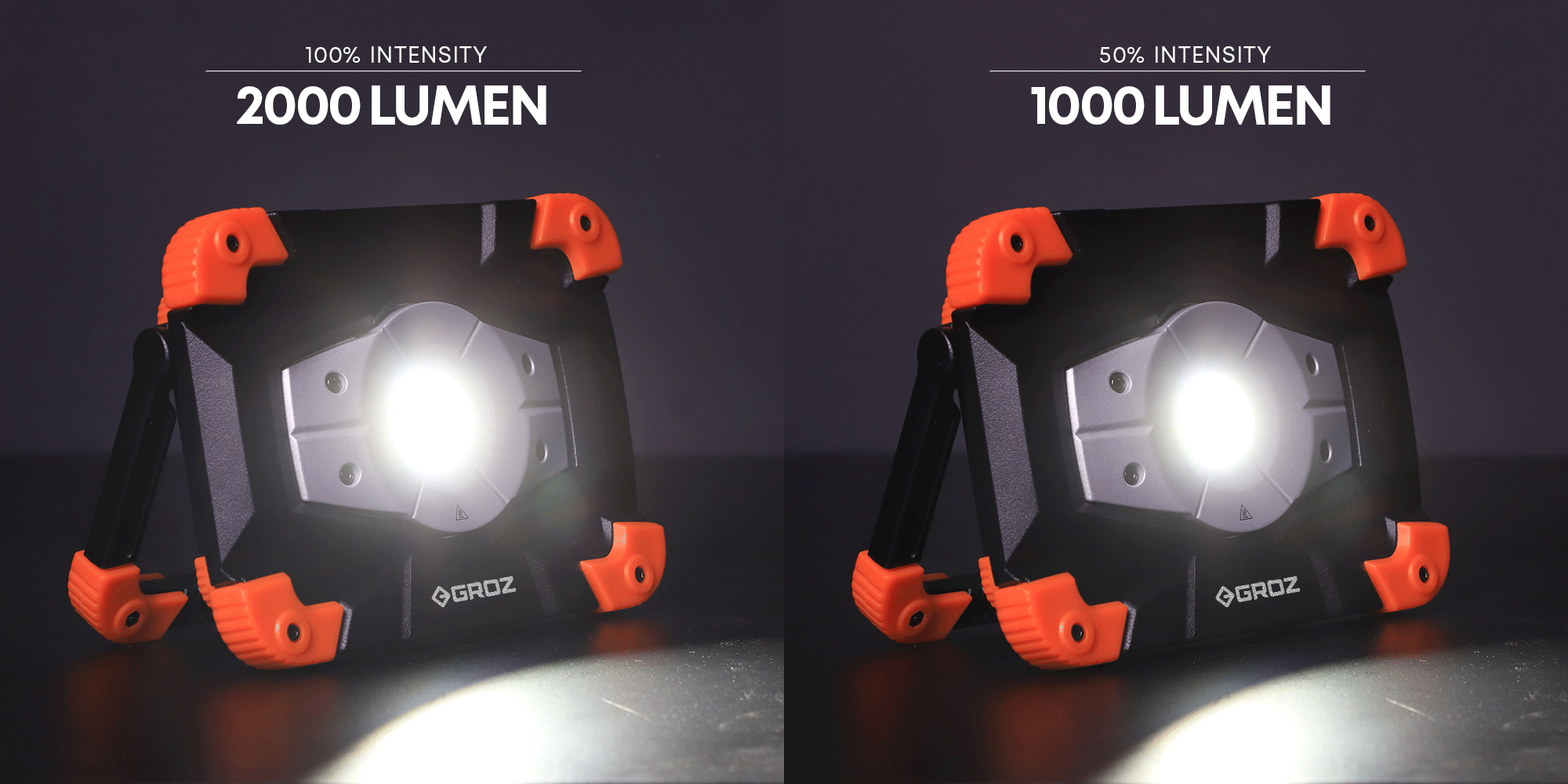
LEDs come in a wide range of colors, shapes, and sizes. From decorative fixtures to high-power floodlights, LED lighting is highly adaptable and can be tailored to meet different needs.
5. Instant Brightness and Durability
Unlike some lights that take time to warm up, LEDs provide instant illumination at full brightness. They are also more resistant to shocks, vibrations, and extreme temperatures, making them ideal for both indoor and outdoor applications.
Applications of LED Lighting
-
Residential: Ceiling fixtures, lamps, and under-cabinet lighting enhance home interiors with efficiency and style.
-
Commercial: Offices, retail spaces, and hospitality sectors benefit from reduced energy costs and improved ambiance.
-
Industrial: Factories, warehouses, and outdoor facilities use high-intensity LED floodlights for safety and productivity.
-
Automotive: LED headlights, brake lights, and indicators improve visibility and energy savings.
-
Street Lighting: Cities worldwide are adopting LED streetlights to reduce energy use and enhance public safety.
The Future of LED Lighting
The future of LED lighting looks brighter than ever. With ongoing advancements in smart lighting systems, integration with the Internet of Things (IoT), and the growing demand for sustainable solutions, LEDs are expected to dominate the lighting industry for decades to come.
Conclusion
LED lighting has transformed the way we light our world, offering efficiency, durability, and eco-friendliness. From saving money on electricity bills to supporting global sustainability efforts, LEDs have proven to be more than just a lighting option—they are the future of illumination.
