
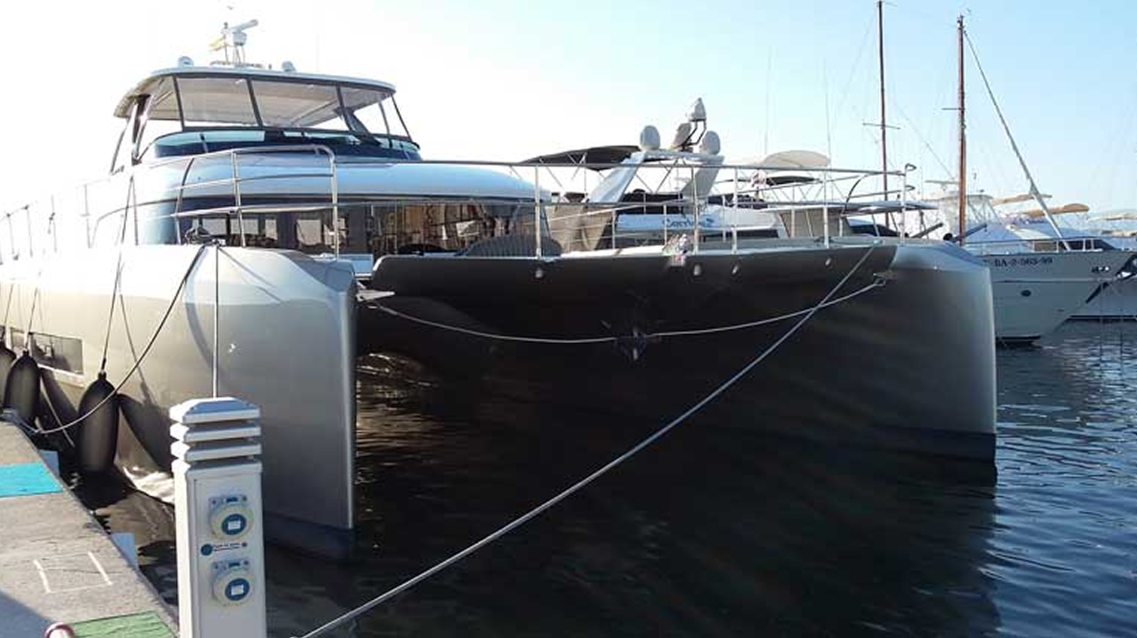
The Changing Tide: How Climate Change Is Creating New Legal Exposures for Florida Vessel Operators

For decades, Florida has been a hub for recreational boating and commercial vessel activity. But as climate change accelerates, the very waters that sustain this industry are also reshaping the legal landscape. Rising sea levels, stronger storms, and shifting marine environments aren’t just environmental concerns, they’re creating complex legal exposures for vessel operators and raising the stakes for accident investigations.
The challenges now go beyond safe navigation. They extend into liability, insurance, compliance, and courtroom disputes. Understanding these risks is becoming essential for every boat and yacht operator in Florida waters.
Rising Sea Levels and Liability Challenges
Sea levels in Florida are climbing faster than the global average, changing how marinas, docks, and waterways function. For commercial boats under 200 feet, such as tugs, barges, and fishing vessels, this means altered access routes, submerged hazards, and increased collision risks. Recreational yachts and smaller boats are facing similar challenges in channels that were once safe but are now shifting with the tides.
From a legal perspective, this raises new questions:
- Who is responsible if a vessel strikes an obstruction created by rising seas?
- Can owners or operators be held liable if outdated charts no longer reflect the current reality?
- How will insurance companies adapt their policies to these evolving risks?
Cases involving a boat collision investigation are no longer just about mechanical failures or operator error. Environmental changes are becoming part of the liability equation, forcing courts to consider factors beyond human control.
Intensified Storms and Accident Disputes
Hurricanes and tropical storms have always been part of Florida’s maritime environment. But with climate change, their frequency and intensity are increasing. For vessel operators, this translates into heightened risks of accidents, damages, and disputes over whether precautions were sufficient.
In many cases, lawsuits and insurance claims hinge on whether an operator took “reasonable measures” to protect their vessel. But when storms grow stronger and less predictable, defining “reasonable” becomes more complicated. A boating crash investigation today must account for rapidly changing weather models, shifting storm tracks, and the impact of climate-driven unpredictability.
For commercial operators, downtime from storm damage also creates contractual disputes, particularly when clients depend on timely deliveries or charter operations. For recreational yacht owners, questions of negligence and responsibility are now more likely to appear in post-storm litigation.
Shifting Marine Environments and Operational Risks
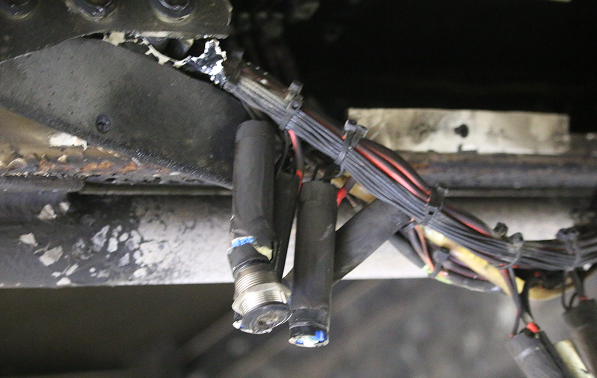
Beyond storms and sea levels, Florida’s waters are being transformed by warming temperatures and ecological changes. Shallow areas may become inaccessible due to increased seagrass growth or shifting sediment patterns, while invasive species alter ecosystems in ways that impact navigation and maintenance.
For smaller passenger vessels and fishing boats, these changes can lead to unforeseen hazards, breakdowns, or even groundings. In the legal arena, they present challenges in proving causation. A yacht crash analysis may now need to consider whether changing water temperatures or environmental shifts contributed to an incident.
The Expanding Role of Evidence
In this shifting landscape, traditional inspections are no longer enough. Courts and insurers increasingly demand data-driven, evidence-based investigations. Tools like voyage data recorders, thermal imaging, and ultrasound are being used to show exactly how accidents occurred.
Environmental conditions also play a growing role in evidence gathering. Reports now must include meteorological data, sea-level measurements, and ecological observations. In some disputes, this evidence becomes the deciding factor between negligence and unavoidable circumstance.
A vessel accident witness is not just a person, it may be the data recorded by a boat’s systems or the environmental reports presented by experts. These records provide the clarity needed to resolve complex disputes shaped by climate change.
Take the Next Step with A&L Maritime Experts, LLC
Climate change is reshaping the risks vessel operators face, but you don’t have to navigate them alone. At A&L Maritime Experts, LLC, they combine decades of marine surveying experience with advanced forensic tools to deliver reliable, courtroom-ready evidence. Whether it’s a boat collision investigation, a yacht crash analysis, or a dispute requiring a trusted vessel accident witness, their team is here to uncover the truth and protect your interests.
Contact A&L Maritime Experts, LLC today to schedule a consultation and ensure your case is backed by precision, integrity, and unmatched maritime expertise.
