
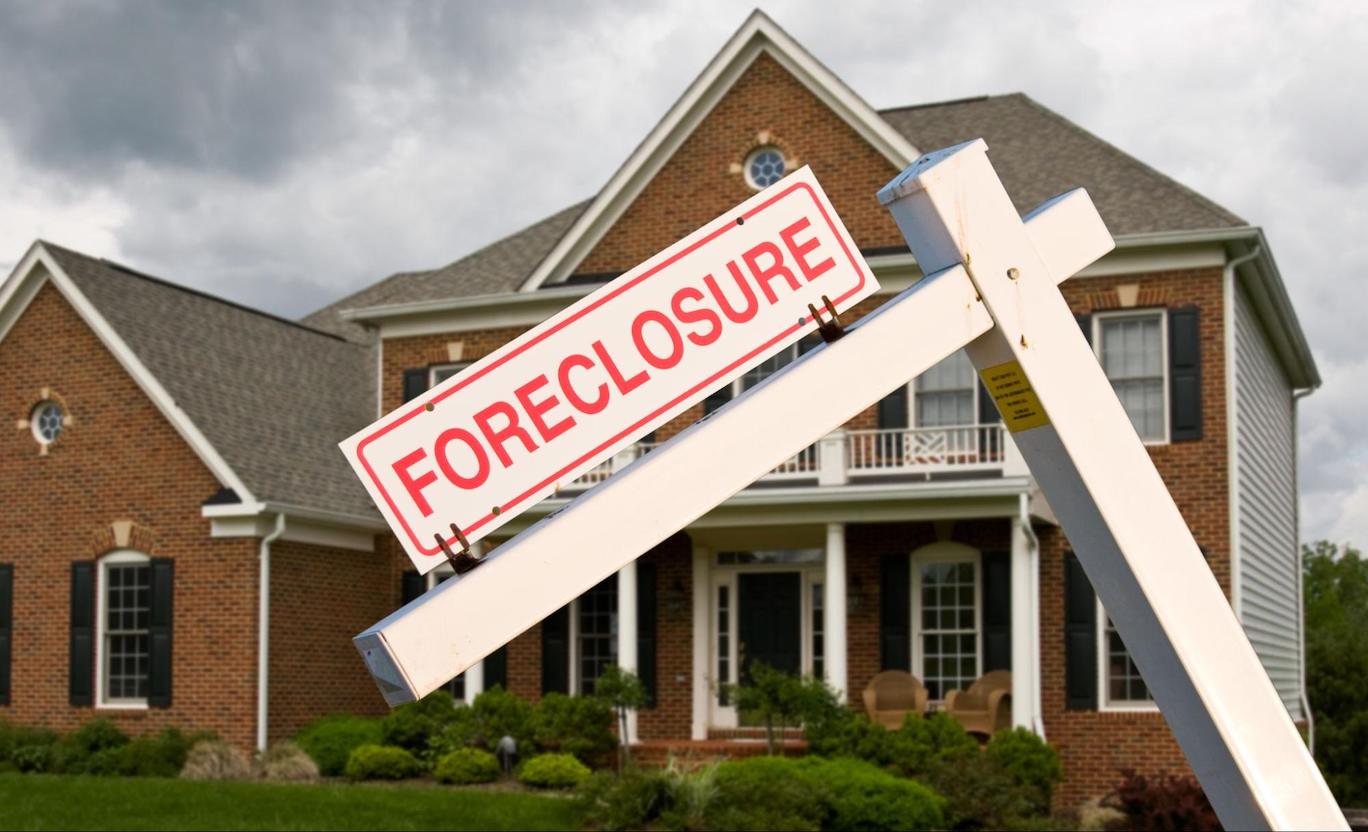
Steps to Take if You’re Facing Foreclosure in New York

If you’ve received a foreclosure notice or missed several mortgage payments in New York, acting quickly but calmly is essential. The foreclosure process in New York follows a judicial path, meaning lenders must go through the court system to proceed with a sale. This gives you both time and legal rights that are worth understanding.
Knowing what steps to take—and when—can help you protect your property, credit, and long-term financial health. Whether you’re hoping to stay in your home, negotiate new terms, or exit the situation with minimal damage, there are practical strategies that may apply. This guide outlines how foreclosure in New York works, the legal tools available to homeowners, and how to respond at each stage if you’re facing foreclosure in NY.
What Is Foreclosure in New York?
Foreclosure is a legal process in which a lender seeks to recover the balance of a loan by forcing the sale of the borrower’s property. In New York, foreclosures are judicial, meaning the lender must go through the court system.
The timeline for foreclosure in New York is longer than in many other states, often taking months or even years. This gives homeowners time to respond, negotiate, or fight the action, especially if errors were made.
1. Understand How Foreclosure Works in New York
In New York, foreclosure begins after a borrower falls behind on their mortgage. The process is governed by state law and involves several formal stages. These include:
- Missed payments
- Pre-foreclosure notices
- Court filing (Summons and Complaint)
- Mandatory settlement conference
- Trial or judgment
- Foreclosure sale
The process typically spans several months to over a year, depending on court schedules and case complexity. This time can be used to seek assistance, defend the case, or pursue a loan workout.
2. Review All Notices and Deadlines
Once you miss payments, you will begin receiving notices from your lender or loan servicer. In New York, the lender must send a 90-day pre-foreclosure notice before filing a lawsuit. This notice gives you time to catch up or request a modification.
If the lender proceeds, you’ll receive a Summons and Complaint, which starts the legal case. This document must be responded to—usually within 20 to 30 days. Failing to respond could result in a default judgment against you.
Keep all correspondence organized, and calendar every deadline. Missing even one can limit your legal defenses or rights later.
3. File an Answer in Court
After receiving the Summons and Complaint, you have a limited time to submit a formal Answer to the court. This document should state whether you admit or deny each claim in the complaint and raise any legal defenses.
Common defenses may include:
- Inaccurate accounting
- Lack of proper notice
- Standing issues (wrong party filing the case)
- Loan servicing errors
Filing an Answer prevents the lender from moving forward without a hearing. It also shows the court that you are engaged in the process and may open the door to further negotiation.
4. Attend the Mandatory Settlement Conference
New York law requires a mandatory foreclosure settlement conference for most residential properties. The court schedules this early in the case to give both sides a chance to discuss resolution options with court oversight.
This conference is an opportunity to:
- Request a loan modification
- Set up a repayment plan.
- Explore a short sale or deed-in-lieu of foreclosure.
- Request more time to resolve the matter.
If available, bring recent income documents, hardship statements, and a completed modification application. Legal representation at this stage can significantly improve your chances of resolving.
5. Consider Loan Modification or Forbearance
A loan modification allows you to adjust the terms of your mortgage, lowering the payment, extending the term, or changing the interest. If your hardship is temporary, a forbearance agreement may allow you to pause or reduce costs for a period.
To apply, you typically need to provide:
- Proof of income
- Tax returns
- Bank statements
- Explanation of hardship
A qualified attorney can help you prepare the whole application and ensure it’s submitted on time. Lenders must review modification requests in good faith during foreclosure proceedings.
6. Explore Alternative Resolutions
If keeping the home is no longer feasible, there are still options to avoid a foreclosure judgment:
- Short Sale – Selling the home for less than the loan balance with the lender’s approval.
- Deed-in-Lieu of Foreclosure – Voluntarily transferring the property to the lender in exchange for debt relief.
- Cash for Keys – A relocation incentive some lenders offer to vacate the property cooperatively.
These options help protect your credit and allow a more stable transition to new housing.
7. Monitor the Case and Stay Involved
Foreclosure is not a one-time event but a process that unfolds over time. Even after the initial response and conference, further actions may be needed:
- Submitting follow-up documents
- Attending hearings or status updates
- Reviewing court filings
- Communicating with the lender’s legal team
Staying active in your case is essential. Even if earlier steps went well, missing a document request or ignoring a court date can put your property at risk.
8. Understand the Foreclosure Sale
If the case moves forward without resolution, the court may issue a judgment of foreclosure and sale. A public auction date will be set, typically several weeks in advance. Until the auction occurs, you may still explore last-minute options, including:
- Emergency modification
- Bankruptcy protection
- Delaying the sale for hardship reasons
If the sale occurs, the new owner will eventually file for eviction, but a separate legal process is required before you vacate.
Conclusion
Facing foreclosure in NY is a legal and financial challenge, but it’s not a dead end. New York’s judicial foreclosure system gives homeowners time to act, respond, and explore every available option. Whether you want to keep your home or exit with minimal loss, early steps can protect your rights and future.
If you need legal guidance for a foreclosure case in Nassau, Suffolk, Queens, or any part of New York, contact Radow Law Group for experienced, personalized representation.
